
Plants toxic to dogs
The plants in our encyclopedia that the ASPCA lists as toxic to dogs, with the usual symptoms and a link to each care guide.
59 species on the list
| Plant | Usual signs | Source |
|---|---|---|
 OleanderNerium oleander | Drooling, abdominal pain, diarrhea, colic, depression, and death. | ASPCA |
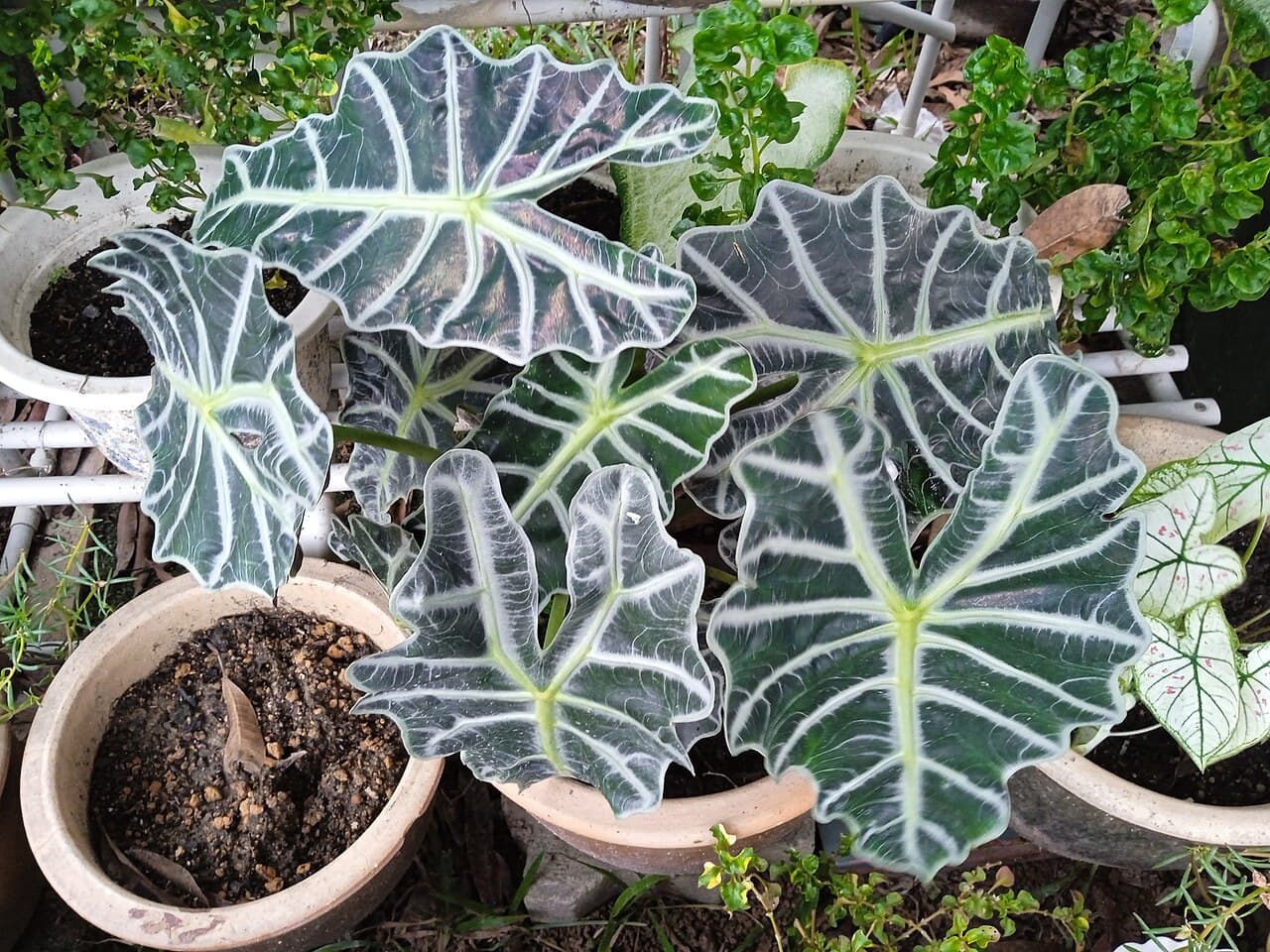 African mask plantAlocasia amazonica | Oral irritation, pain and swelling of mouth, tongue and lips, excessive drooling, vomiting, and difficulty swallowing. | ASPCA |
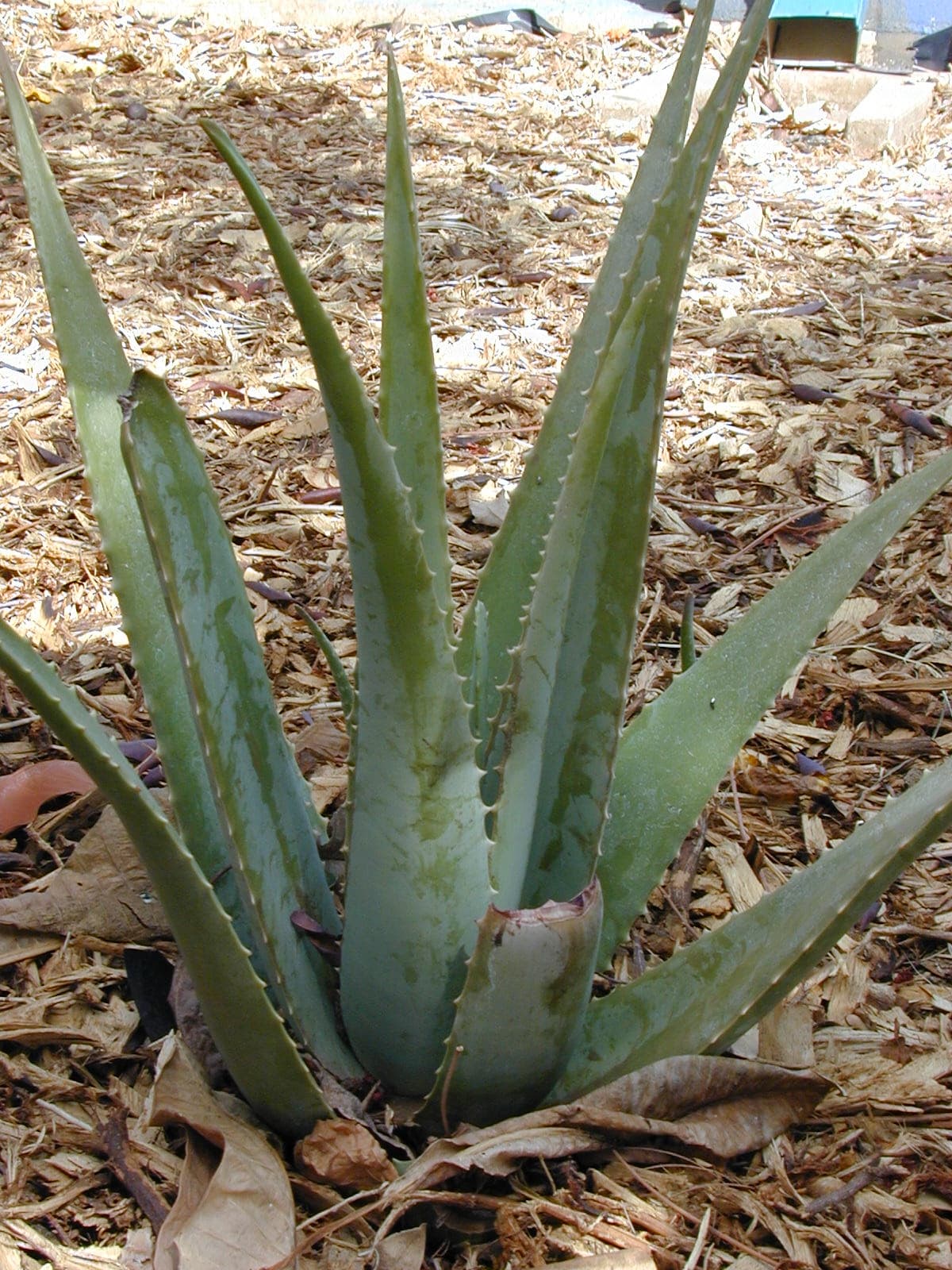 Aloe veraAloe vera | Vomiting, lethargy, and diarrhea; the inner gel is considered edible. | ASPCA |
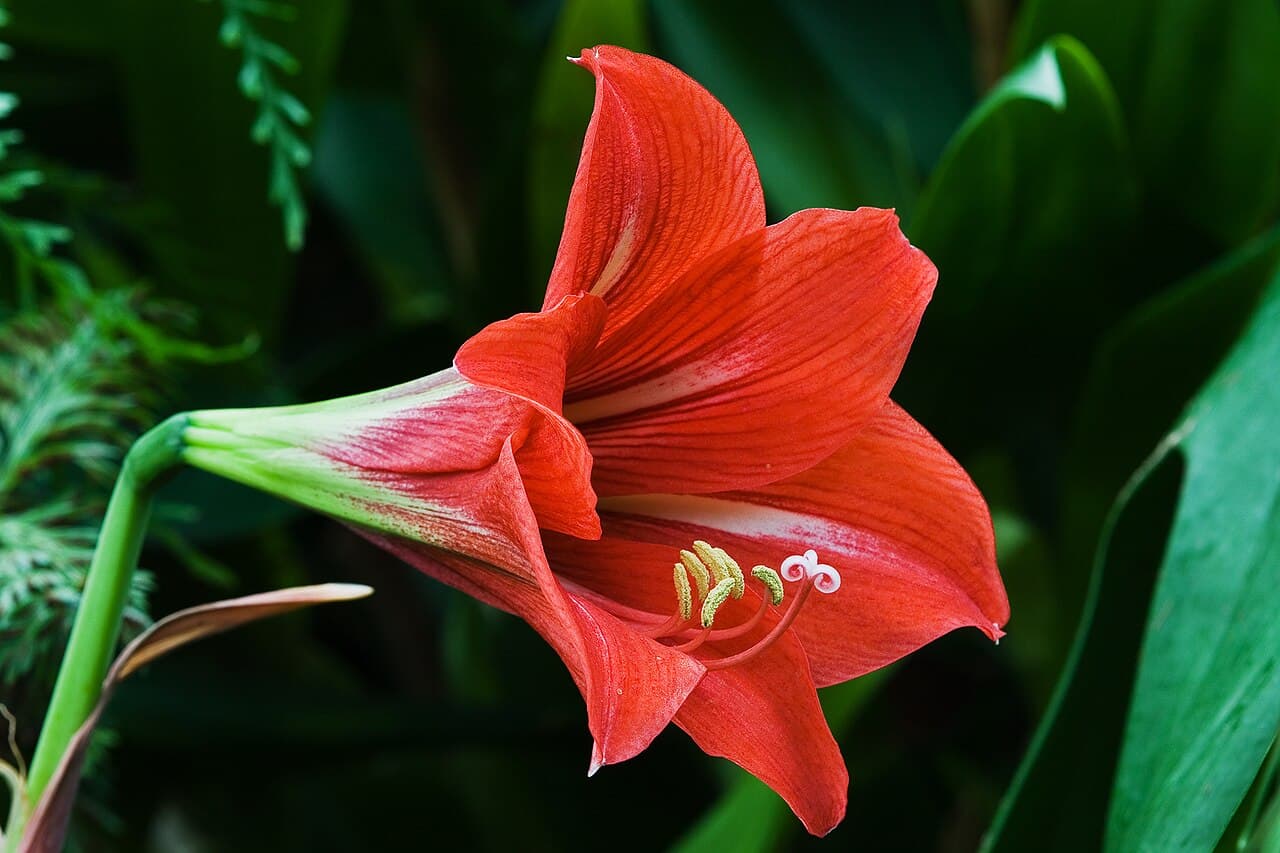 AmaryllisHippeastrum hybridum | Ingestion causes vomiting, salivation, and diarrhea, with large amounts triggering tremors, convulsions, low blood pressure, and arrhythmias, with bulbs being the most toxic part. | ASPCA |
 Mother of thousandsKalanchoe daigremontiana | Vomiting, diarrhea, and rarely, abnormal heart rhythm. | ASPCA |
 Pencil cactusEuphorbia tirucalli | Causes irritation to the mouth and stomach, occasionally with vomiting, though its toxicity is generally overrated. | ASPCA |
 Jade plantCrassula ovata | Vomiting, depression, and incoordination. | ASPCA |
 Bird of paradiseStrelitzia reginae | Mild nausea, vomiting, and drowsiness, caused primarily by the fruit and seeds. | ASPCA |
 Yesterday-today-and-tomorrowBrunfelsia pauciflora | Tremors, seizures lasting several days, diarrhea, vomiting, hypersalivation, lethargy, incoordination, and coughing. | ASPCA |
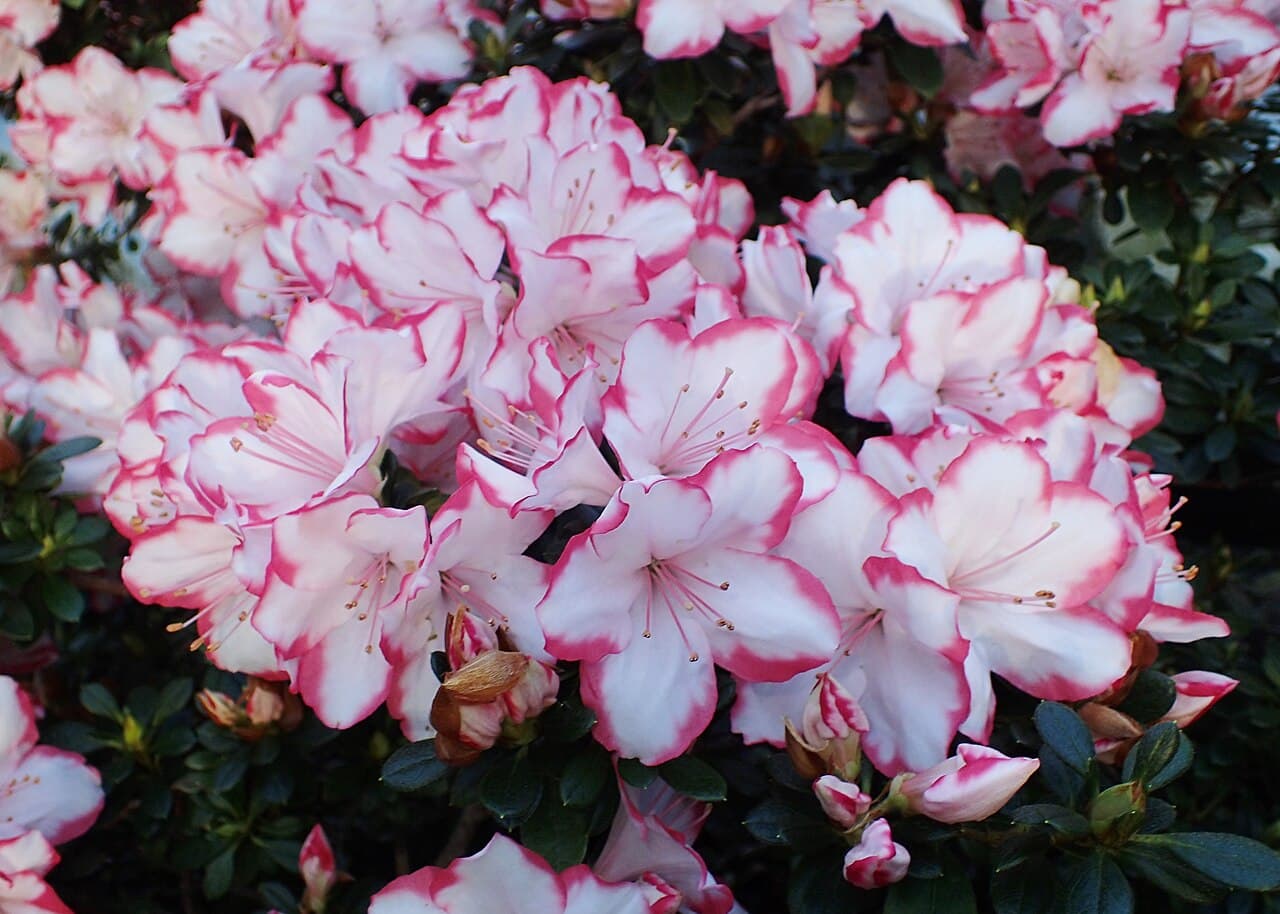 AzaleaRhododendron simsii | Vomiting, diarrhea, weakness, and cardiac failure. | ASPCA |
 Lucky bambooDracaena sanderiana | Vomiting (occasionally with blood), depression, anorexia, hypersalivation, and dilated pupils (in cats). | ASPCA |
 Wax begoniaBegonia cucullata | Vomiting and salivation in dogs and cats, and kidney failure in grazing animals, with underground parts being the most toxic. | ASPCA |
 Polka dot begoniaBegonia maculata | Causes salivation and vomiting in dogs and cats, and kidney failure in grazing animals, with the underground parts being the most toxic. | ASPCA |
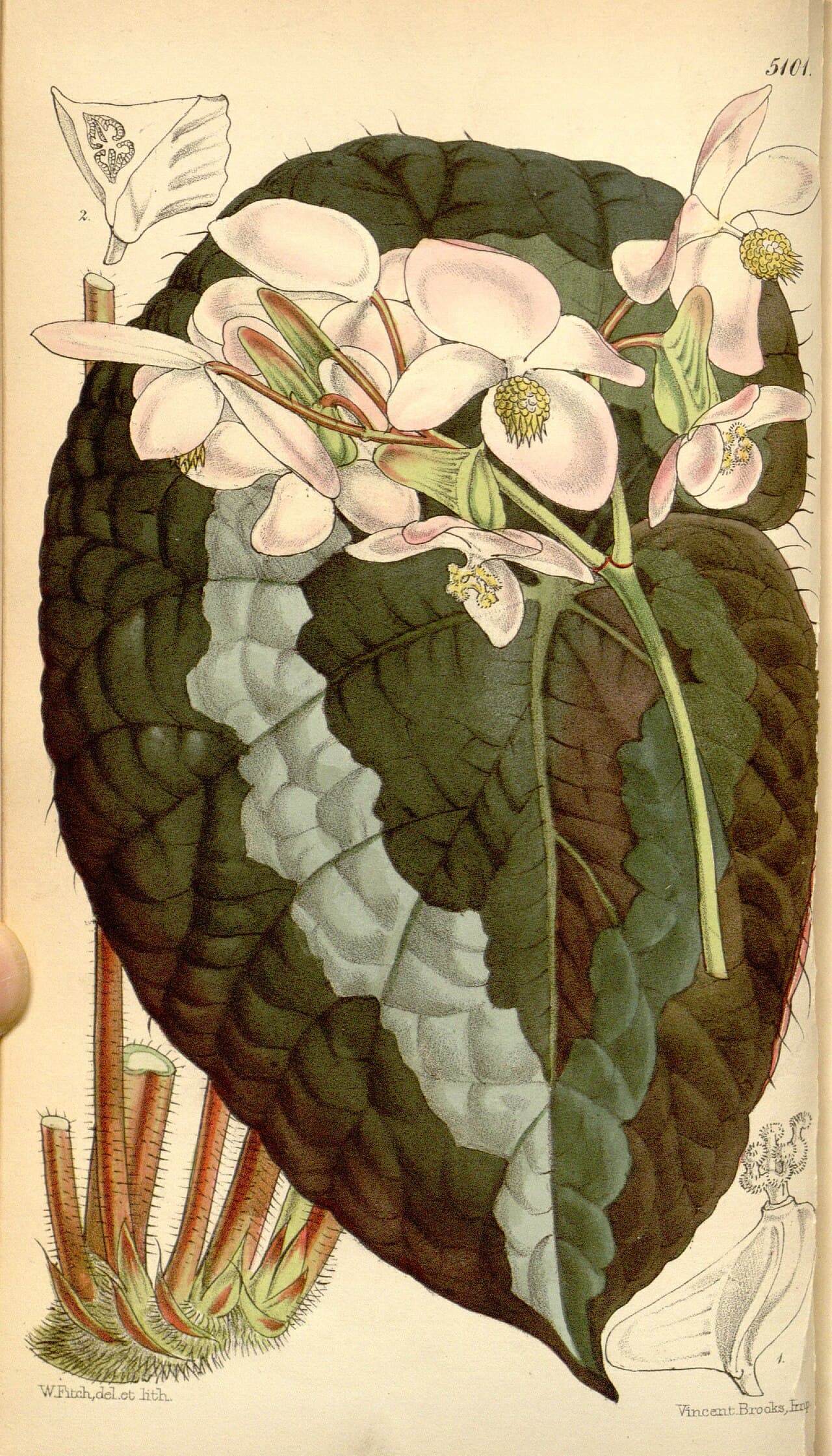 Rex begoniaBegonia rex | Causes vomiting and salivation in dogs and cats, and kidney failure in grazing animals, with the underground parts being the most toxic. | ASPCA |
 EggplantSolanum melongena | Hypersalivation, inappetence, severe gastrointestinal upset, diarrhea, drowsiness, CNS depression, confusion, behavioral changes, weakness, dilated pupils, and slow heart rate. | ASPCA |
 Common boxBuxus sempervirens | In dogs and cats it causes vomiting and diarrhea; in horses it can cause colic, diarrhea, respiratory failure, and seizures. | ASPCA |
 ChivesAllium schoenoprasum | Vomiting, breakdown of red blood cells (hemolytic anemia, Heinz body anemia), blood in urine, weakness, high heart rate, and panting. | ASPCA |
 Dwarf umbrella treeSchefflera arboricola | Oral irritation, intense burning of the mouth, lips, and tongue, excessive drooling, vomiting, and difficulty swallowing. | ASPCA |
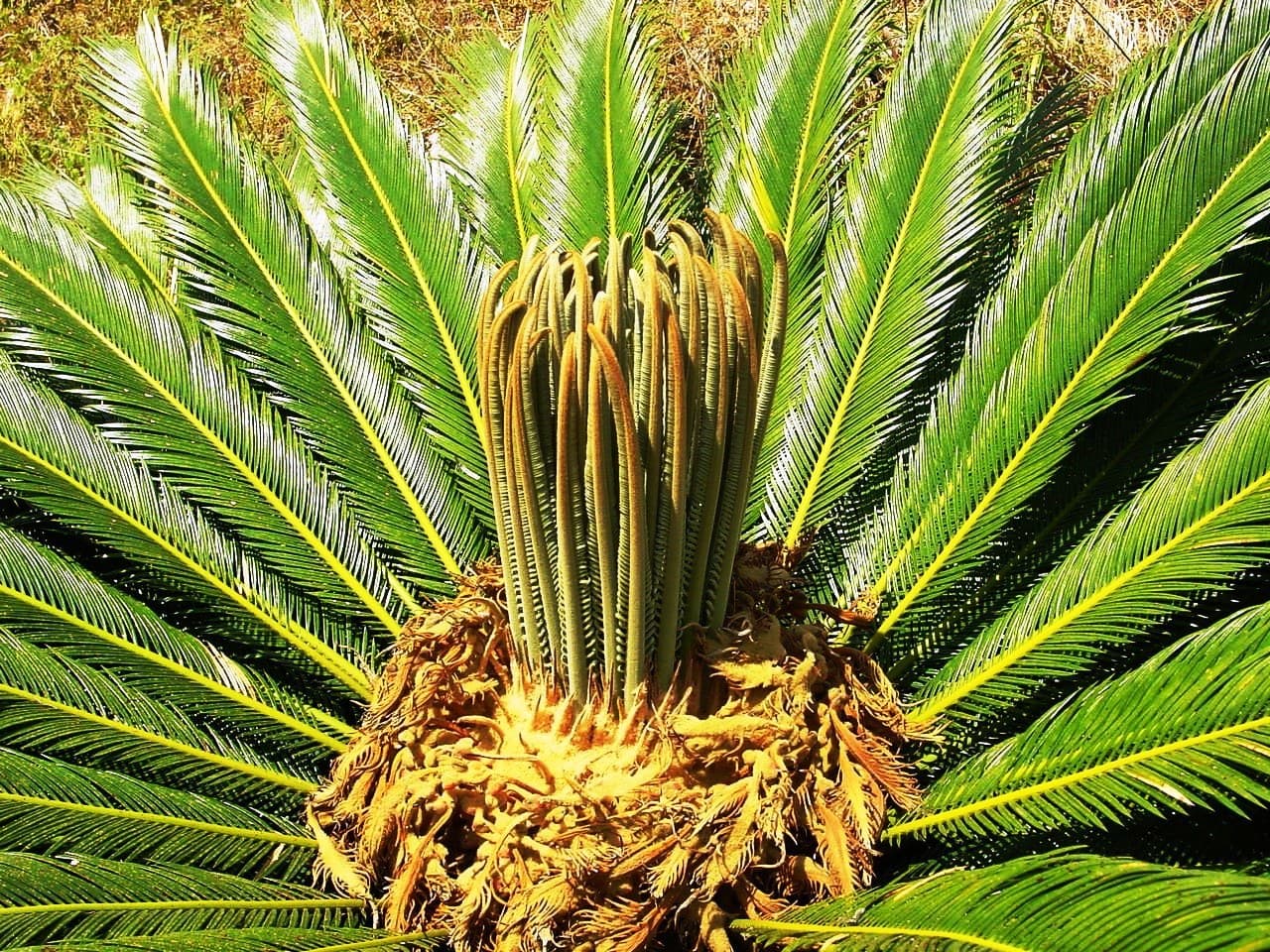 Sago palmCycas revoluta | Ingestion can cause vomiting, black tarry stools, jaundice, increased thirst, hemorrhagic gastroenteritis, bruising, coagulopathy, liver failure, and death. | ASPCA |
 CyclamenCyclamen persicum | Salivation, vomiting, and diarrhea; large ingestions of tubers can cause heart rhythm abnormalities, seizures, and death. | ASPCA |
 CarnationDianthus caryophyllus | Mild gastrointestinal signs and mild dermatitis. | ASPCA |
 Bush lilyClivia miniata | Causes vomiting, salivation, and diarrhea, with large ingestions leading to convulsions, low blood pressure, tremors, and cardiac arrhythmias, the bulb being the most toxic part. | ASPCA |
 ColeusColeus scutellarioides | It can cause vomiting, diarrhea (occasionally bloody), lethargy, and loss of appetite. | ASPCA |
 Cabbage treeCordyline australis | Vomiting (occasionally with blood), depression, anorexia, hypersalivation, and dilated pupils in cats. | ASPCA |
 ChrysanthemumChrysanthemum morifolium | Vomiting, diarrhea, excessive salivation, incoordination, and dermatitis. | ASPCA |
 DahliaDahlia pinnata | Mild gastrointestinal signs and mild dermatitis. | ASPCA |
 Dumb caneDieffenbachia seguine | Oral irritation, pain and swelling of the mouth, tongue, and lips, excessive drooling, vomiting, and difficulty swallowing. | ASPCA |
 Dragon treeDracaena marginata | Vomiting (occasionally with blood), depression, anorexia, excessive salivation, and dilated pupils in cats. | ASPCA |
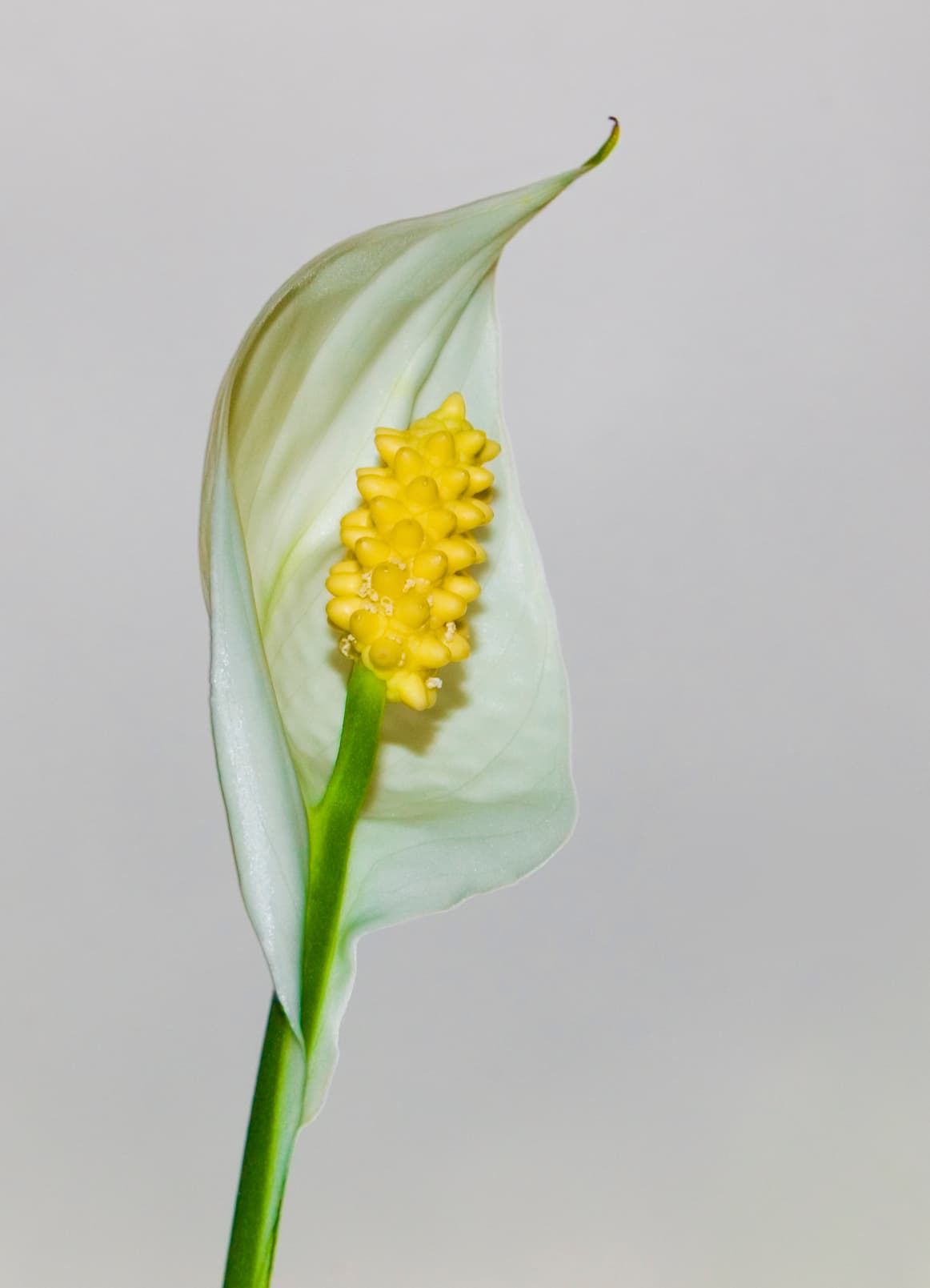 Peace lilySpathiphyllum wallisii | Oral irritation, pain and swelling of the mouth, tongue, and lips, excessive drooling, vomiting, and difficulty swallowing. | ASPCA |
 Weeping figFicus benjamina | Gastrointestinal and dermal irritation. | ASPCA |
 Rubber plantFicus elastica | ASPCA | |
 Ficus ginsengFicus microcarpa | ASPCA | |
 Fiddle-leaf figFicus lyrata | ASPCA | |
 Creeping figFicus pumila | ASPCA | |
 Heartleaf philodendronPhilodendron hederaceum | Oral irritation, pain and swelling of the mouth, tongue, and lips, excessive drooling, vomiting, and difficulty swallowing. | ASPCA |
 Tree philodendronThaumatophyllum bipinnatifidum | Oral irritation, pain and swelling of the mouth, tongue, and lips, excessive drooling, vomiting, and difficulty swallowing. | ASPCA |
 PoinsettiaEuphorbia pulcherrima | It can irritate the mouth and stomach and occasionally cause vomiting, though its toxicity is generally overrated. | ASPCA |
 GardeniaGardenia jasminoides | Mild vomiting, diarrhea, or hives. | ASPCA |
 GeraniumPelargonium hortorum | Primarily gastrointestinal upset, potentially causing ataxia, muscle weakness, lethargy, or hypothermia in larger ingestions, with cats being most sensitive. | ASPCA |
 Zonal geraniumPelargonium zonale | Primarily gastrointestinal upset, with potential ataxia, muscle weakness, depression, or hypothermia in larger exposures, cats being most sensitive. | ASPCA |
 Chinese wisteriaWisteria sinensis | Vomiting (sometimes with blood), diarrhea, and depression. | ASPCA |
 English ivyHedera helix | Vomiting, abdominal pain, hypersalivation, and diarrhea, with the foliage being more toxic than the berries. | ASPCA |
 SpearmintMentha spicata | Vomiting and diarrhea with large ingestions. | ASPCA |
 Fig treeFicus carica | ASPCA | |
 Flaming KatyKalanchoe blossfeldiana | Vomiting, diarrhea, and rarely, abnormal heart rhythm. | ASPCA |
 LantanaLantana camara | Vomiting, diarrhea, labored breathing, weakness, and liver failure, which is more common in livestock. | ASPCA |
 Bay laurelLaurus nobilis | Vomiting and diarrhea; ingestion of large quantities of whole leaves can cause obstruction. | ASPCA |
 MonsteraMonstera deliciosa | Causes oral irritation, pain and swelling of the mouth, tongue, and lips, excessive drooling, vomiting, and difficulty swallowing. | ASPCA |
 Orange treeCitrus sinensis | Ingestion of plant parts or citrus peel can cause vomiting, diarrhea, lethargy, and potential dermatitis, though the fruit pulp is edible. | ASPCA |
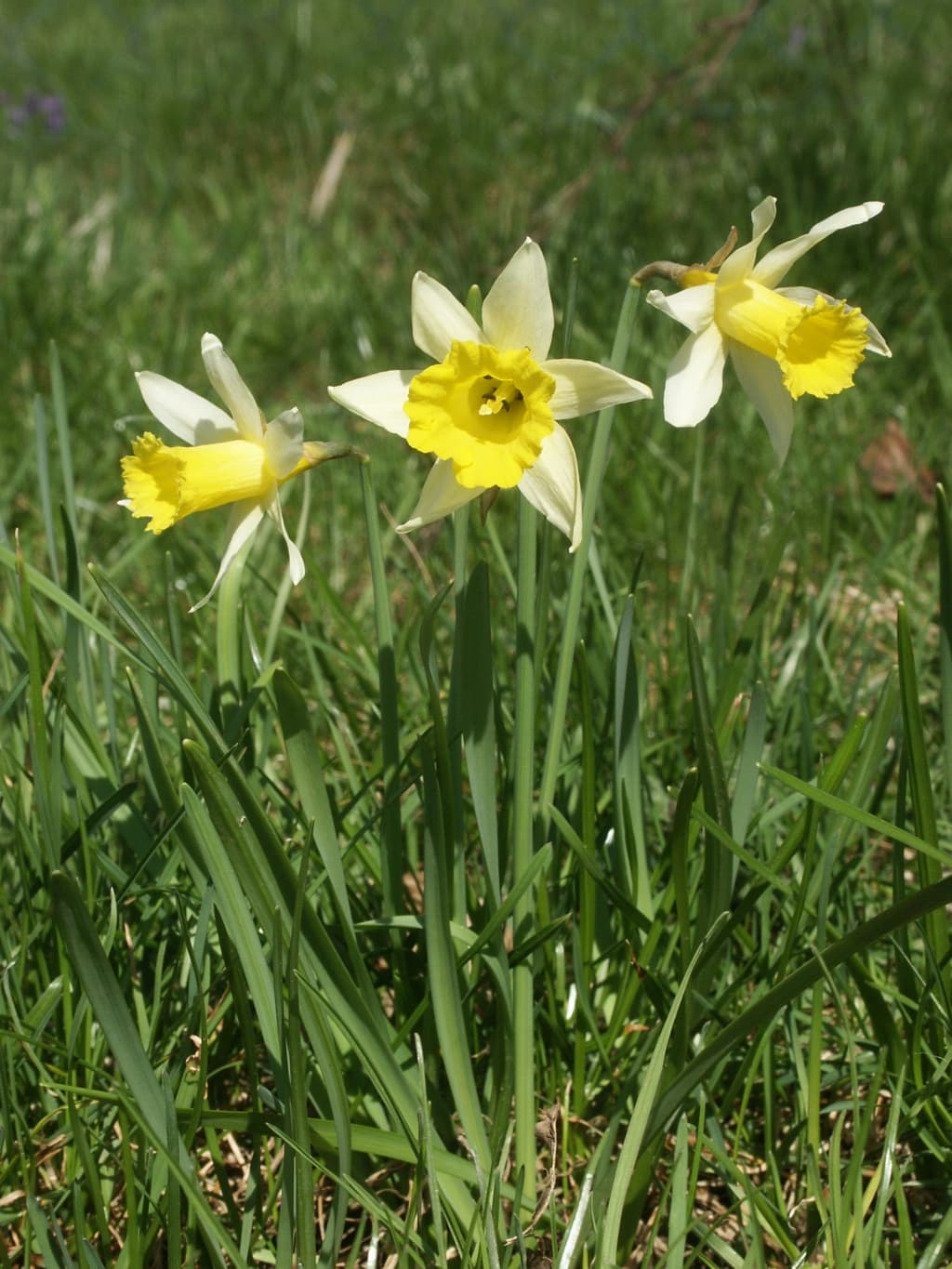 DaffodilNarcissus pseudonarcissus | Causes vomiting, salivation, and diarrhea; large ingestions lead to convulsions, low blood pressure, tremors, and cardiac arrhythmias, with bulbs being the most toxic part. | ASPCA |
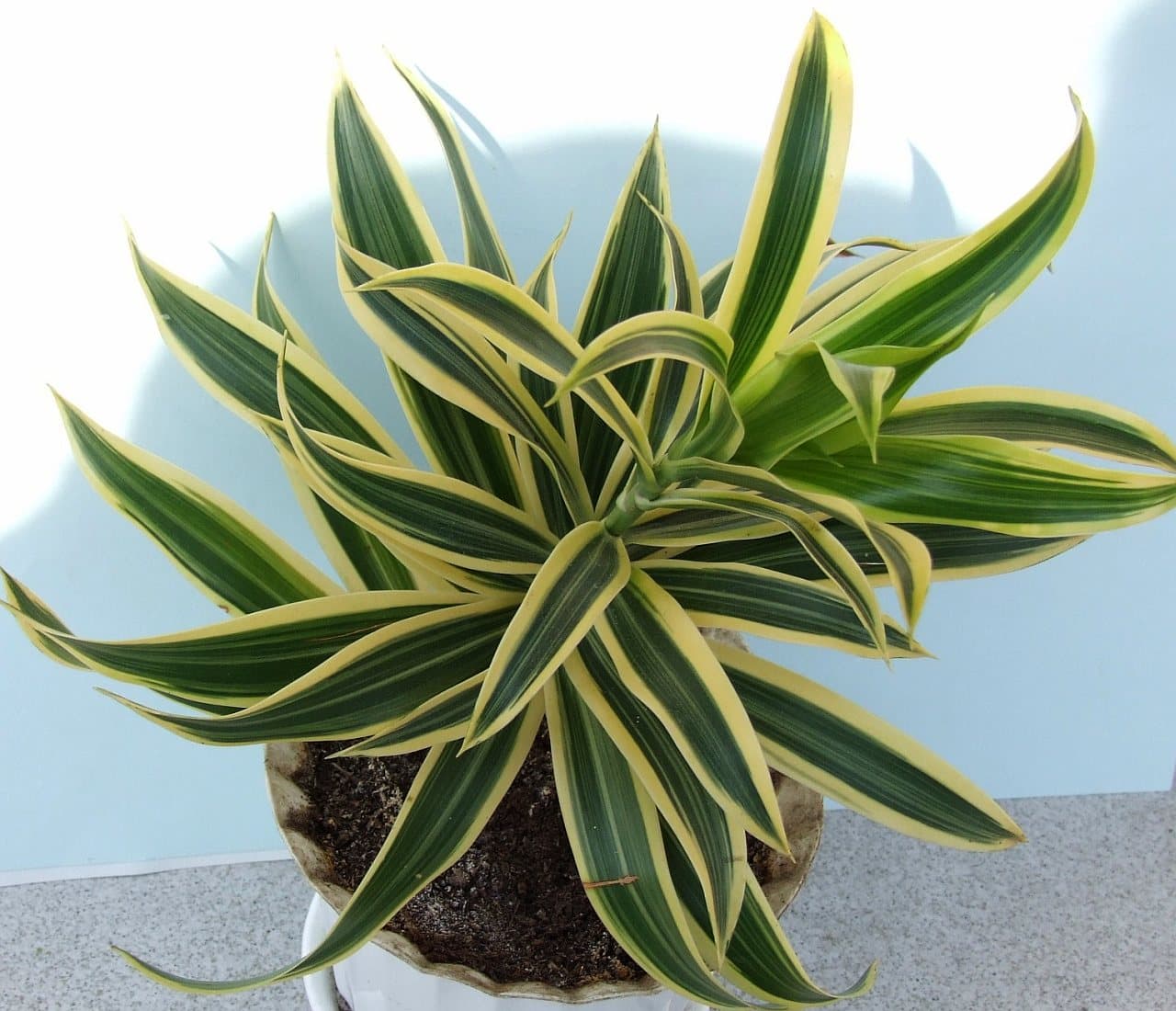 Corn plantDracaena fragrans | Vomiting (occasionally with blood), depression, anorexia, hypersalivation, and dilated pupils in cats. | ASPCA |
 ParsleyPetroselinum crispum | Photosensitization (sunburn and dermatitis), though large amounts are needed to cause this effect. | ASPCA |
 PothosEpipremnum aureum | Oral irritation, pain and swelling of the mouth, tongue, and lips, excessive drooling, vomiting, and difficulty swallowing. | ASPCA |
 Snake plantDracaena trifasciata | Nausea, vomiting, and diarrhea. | ASPCA |
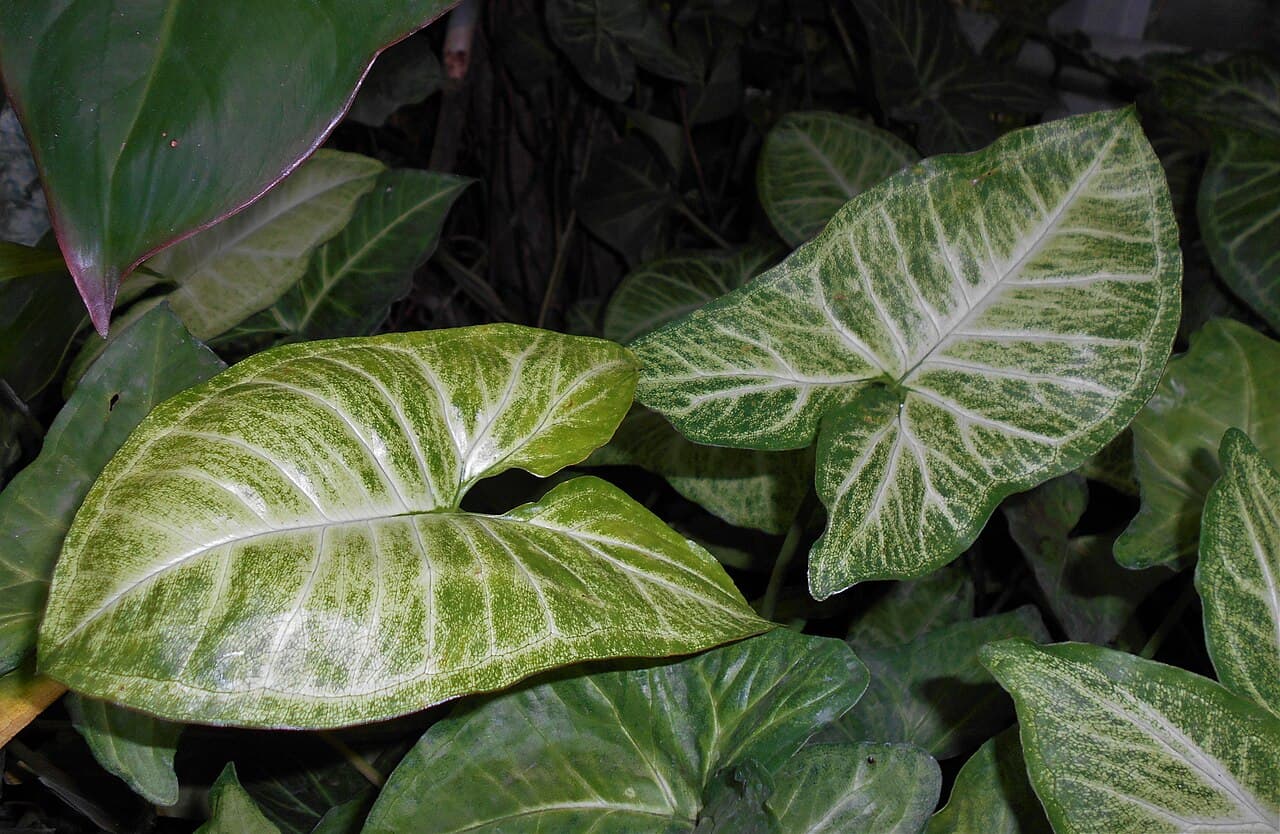 Arrowhead plantSyngonium podophyllum | Oral irritation, pain and swelling of the mouth, tongue, and lips, excessive drooling, vomiting, and difficulty swallowing. | ASPCA |
 Tomato plantSolanum lycopersicum | Hypersalivation, loss of appetite, severe gastrointestinal upset, depression, weakness, dilated pupils, and slow heart rate; the ripe fruit is non-toxic. | ASPCA |
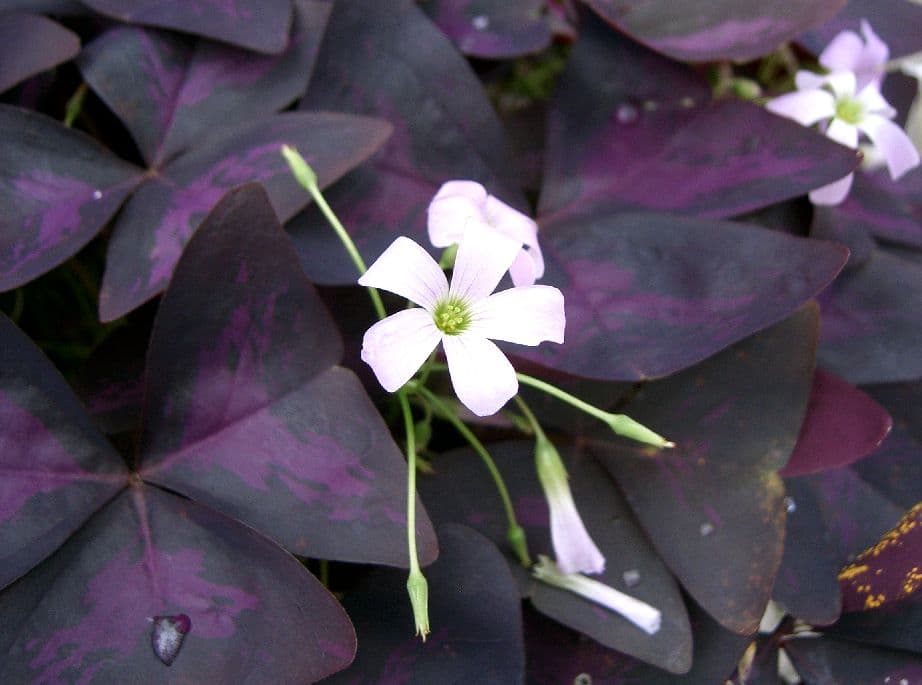 Purple shamrockOxalis triangularis | Ingesting large quantities can cause colic in horses and potentially lead to kidney failure. | ASPCA |
 TulipTulipa gesneriana | Vomiting, depression, diarrhea, and hypersalivation, with the highest concentration of toxin located in the bulb. | ASPCA |
 Spineless yuccaYucca guatemalensis | In dogs and cats, it can cause vomiting; in horses, liver disease and dermatitis. | ASPCA |
Frequently asked questions
What should I do if my dog ate a toxic plant?
If you think your pet has eaten a toxic plant, call your vet or the nearest emergency vet and bring the plant or a photo. Don't make your pet vomit unless the vet tells you to.
Are all the plants on this list deadly to dogs?
No. Many only cause mouth irritation, drooling, vomiting or diarrhoea; others, such as sago palm or oleander, can be very serious. It depends on the plant and how much was eaten. If in doubt, call your vet.
Where does this list come from?
Each verdict comes from the ASPCA's toxic and non-toxic plant database (Animal Poison Control Center, USA), species by species, with a link to its entry. Species the ASPCA doesn't list are left out of both lists.
Not sure which plant you have?
Take a photo: we'll tell you the species, whether it's toxic to your pet and how to care for it.