
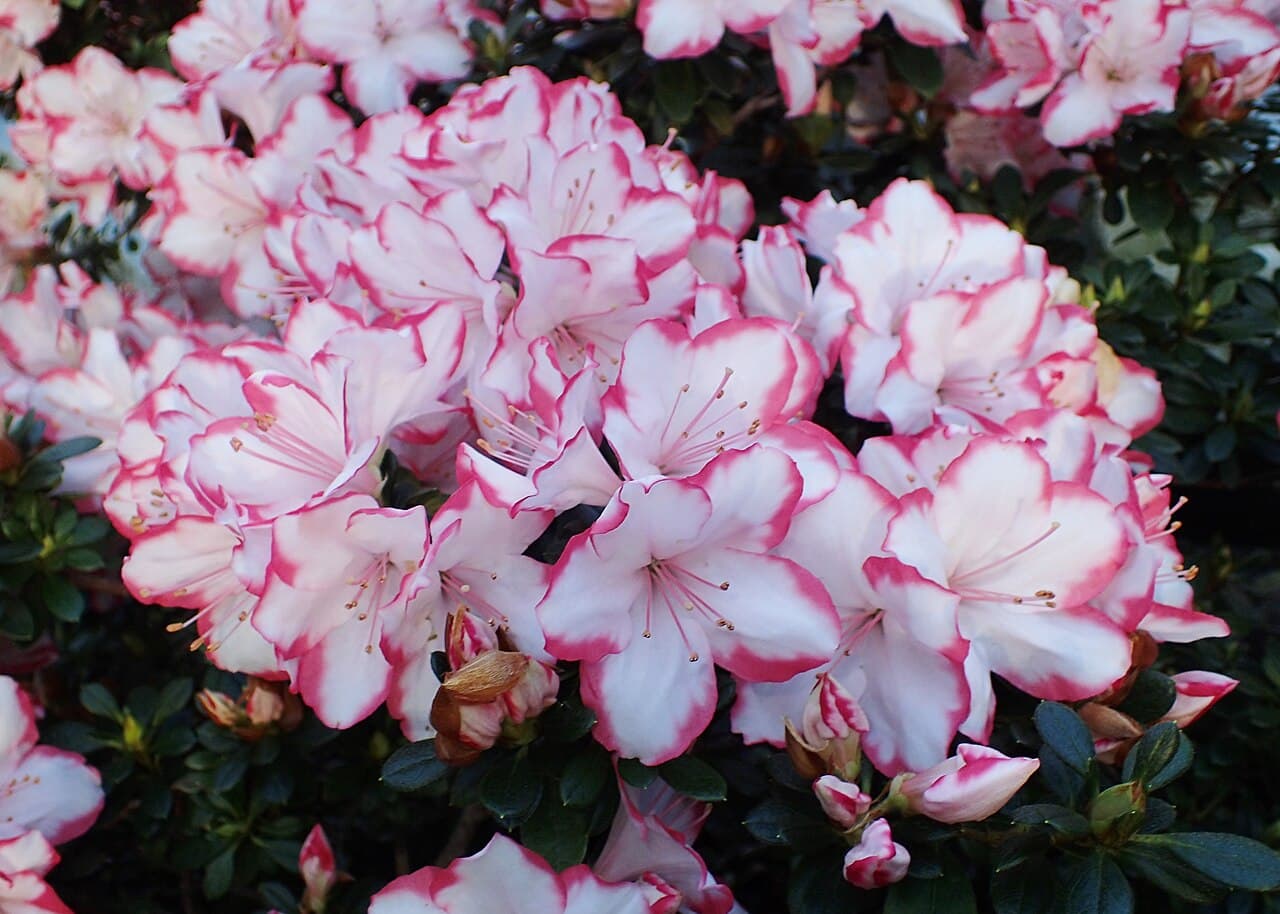
The florist azalea (Rhododendron simsii) is a compact, evergreen or semi-evergreen shrub renowned for its spectacular, blanket-like floral displays. Originating from the mountain slopes and wooded valleys of East Asia, it produces an abundance of trumpet-shaped flowers in shades spanning crisp whites, pale pinks, rich salmons, and vibrant crimsons. It is widely cultivated as a potted gift plant for indoor decor, as well as an elegant garden shrub in mild, sheltered microclimates.
As a true ericaceous plant, the azalea has strict soil and moisture preferences that set it apart from many other houseplants. Its fine, fibrous root system stays close to the surface, making it exceptionally sensitive to both complete desiccation and stagnant, waterlogged conditions. In home environments, it performs best when given bright light paired with cool, fresh air, far away from dry heating vents and drafty doorways.
Achieving year-round success with this plant requires maintaining its natural environmental balance. By using lime-free water, an acidic planting mix, and offering a cool rest period in autumn, you can enjoy its breathtaking flowering season year after year.
Did you know?In many Asian cultures, blooming azaleas symbolize spring, love, and quiet passion. They are also among the most celebrated flowering shrubs traditionally trained as bonsai.
Care
- Watering
- Keep the potting mix consistently damp to the touch, never allowing it to dry out completely or sit in standing drainage water. Water every two to three days during peak bloom, ideally using rainwater or filtered soft water applied from below.
- Light
- Provide bright, filtered sunlight throughout the day while protecting the foliage from scorching direct afternoon rays. Outdoors, position the shrub in gentle morning light or dappled shade under taller trees.
- Temperature
- Azaleas thrive in cool temperatures between 12 °C and 18 °C, which helps prolong the lifespan of the flowers. They can tolerate brief dips down to near 0 °C, but struggle significantly in rooms consistently above 22 °C.
- Soil
- Plant exclusively in an ericaceous compost with an acidic pH between 4.5 and 5.5, rich in peat moss or pine bark and perlite. A light, airy structure is essential to prevent suffocating its shallow root system.
- Fertilizer
- Feed with a specialized acidic plant fertilizer every two weeks once flowering concludes until late summer. Pause all feeding during late autumn and winter when growth naturally slows.
- Pruning
- Trim lightly immediately after flowering ceases to remove faded blossoms and encourage a bushy, well-branched habit. Pinch back leggy green shoots before midsummer to stimulate bud set for the following season.
- Propagation
- Propagate by taking semi-hardwood cuttings in early summer from non-flowering shoots. Dip the cut ends in rooting hormone and keep them under high humidity and moderate indirect warmth.
Is Azalea toxic to cats and dogs?
Yes. According to the ASPCA, it is toxic to cats and dogs.
- Cats
- Toxic
- Dogs
- Toxic
Usual signs: Vomiting, diarrhea, weakness, and cardiac failure.
If your pet has chewed it and shows symptoms, call your vet or the nearest emergency vet.
Source: ASPCA Animal Poison Control
Common problems
- Iron chlorosis
- Dry air
- Root rot
- Underwatering
- Spider mites
Frequently asked questions
Why are the flower buds dropping before opening?
Bud drop is almost always triggered by dry indoor air, excessive heating, or letting the root ball dry out completely between waterings. Relocate the plant to a cooler, humid room and ensure the potting medium stays consistently moist.
Why are the leaves turning yellow with green veins?
This is iron chlorosis, which occurs when alkaline tap water raises the soil pH and blocks nutrient uptake. Treat it by flushing with rainwater or distilled water and feeding with chelated iron designed for acid-loving shrubs.
How can I make my potted azalea rebloom next year?
Prune spent blooms, feed regularly through spring, and place the plant in a shaded outdoor spot for summer. In autumn, expose it to cool temperatures around 10 °C to 15 °C for several weeks to initiate flower buds before bringing it inside.
Should I water azaleas from the bottom?
Yes, bottom watering or briefly submerging the pot in a basin of water is the most effective way to hydrate peat-based mixes thoroughly. Always allow the pot to drain fully before returning it to its decorative saucer.
Growing Azalea at home?
Take a photo and we'll tell you how it's doing and what it needs.