
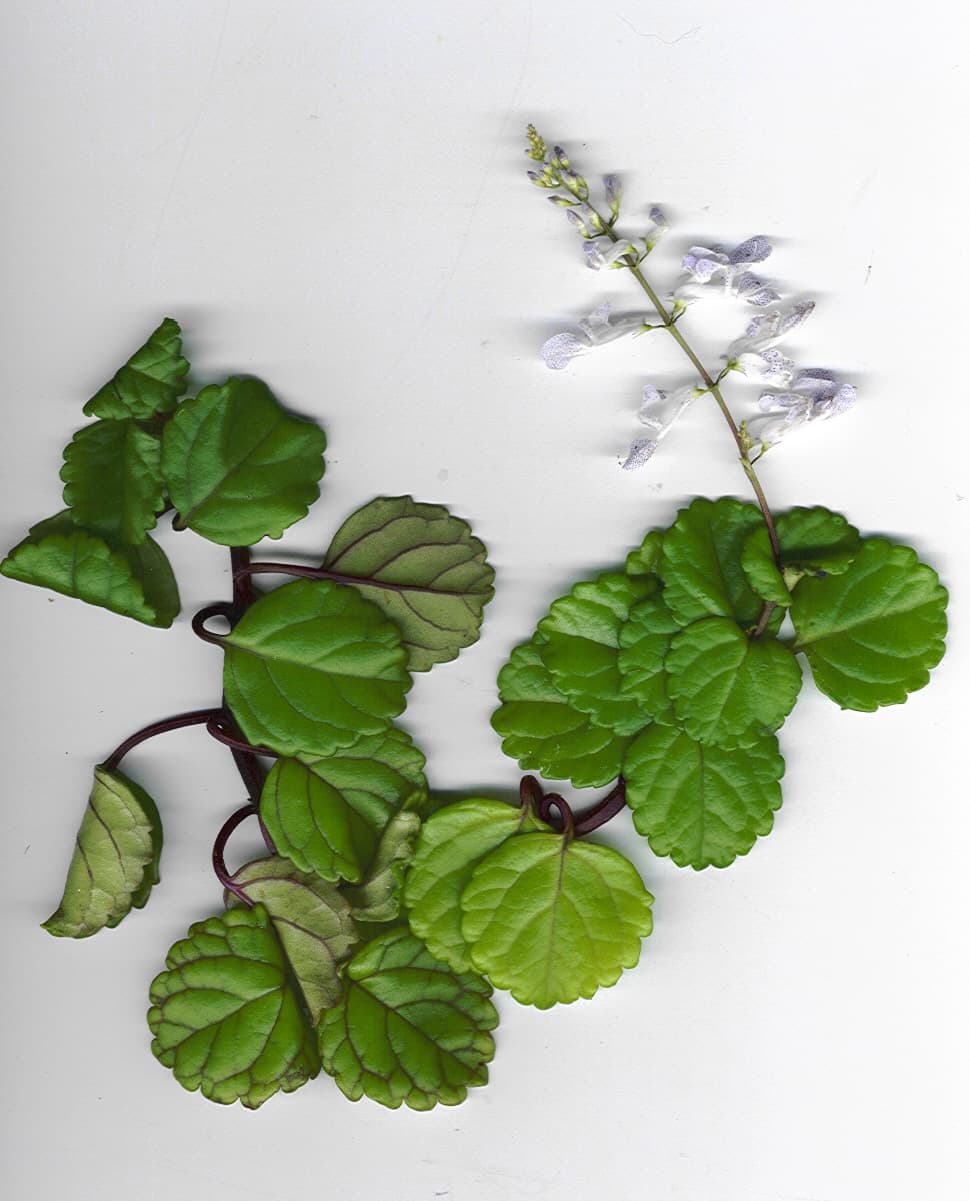
Swedish ivy (Plectranthus verticillatus), despite its name, is neither an ivy nor native to Sweden; it is a creeping herbaceous perennial native to southeastern Africa. It is widely recognized for its glossy, rounded leaves with scalloped edges and fleshy stems that trail elegantly as the plant matures.
This species has long been a staple houseplant around the world, particularly favored for hanging baskets, shelves, and mixed shaded planters outdoors. While grown primarily for its lush, cascading foliage, Swedish ivy occasionally produces upright spikes of small, tubular flowers in shades of white or pale lavender during the warmer months.
Its popularity among houseplant enthusiasts is largely due to its remarkable vigor and forgiving nature, making it ideal for beginners. It adapts well to typical indoor conditions, easily tolerates occasional lapses in care, and benefits greatly from regular pinching to encourage bushy, compact growth and prevent spindly stems.
Did you know?It gained its popular common name after becoming an extremely widespread houseplant across Sweden in the mid-twentieth century.
Care
- Watering
- Water thoroughly once the top inch of soil feels dry to the touch, which typically means once or twice a week in summer. Reduce watering in winter, allowing the soil to dry somewhat more between waterings.
- Light
- Provide plenty of bright, indirect sunlight to keep foliage dense and vibrant. Direct hot sun can bleach the leaves or cause dry brown burn marks.
- Temperature
- Prefers moderate room temperatures between 15°C and 24°C year-round. It is sensitive to frost and should be brought inside before outdoor temperatures drop below 10°C.
- Soil
- A standard, peat- or coco-based potting mix amended with perlite ensures good aeration and prevents water retention.
- Fertilizer
- Feed once a month during spring and summer with a balanced liquid houseplant fertilizer diluted to half strength.
- Pruning
- Regularly pinch out the growing tips of trailing stems to stimulate side branching and maintain a lush, full appearance.
- Propagation
- Easily propagated through stem cuttings taken just below a node. Place the cuttings in water or moist potting mix, where roots will readily form in one to two weeks.
Is Swedish ivy toxic to cats and dogs?
No. According to the ASPCA, it is not toxic to cats or dogs.
- Cats
- Non-toxic
- Dogs
- Non-toxic
Source: ASPCA Animal Poison Control
Common problems
- Root rot
- Overwatering
- Too little light
- Sunburn
- Mealybugs and scale
Frequently asked questions
Why are the leaves turning yellow and dropping?
Yellowing leaves are most frequently a sign of overwatering or poorly draining soil suffocating the roots. Allow the topsoil to dry before watering again and ensure the pot has functional drainage holes.
Why has my Swedish ivy become leggy with sparse foliage?
Stems stretch and space out their leaves when the plant is not receiving enough light. Move it closer to a bright window with indirect light and trim back the leggy vines to promote bushier growth.
Can Swedish ivy be kept outdoors?
Yes, it thrives outdoors in shaded or sheltered spots during frost-free spring and summer months. Bring it indoors when night temperatures approach 10°C to protect it from cold damage.
How often should it be repotted?
Repot every one to two years in early spring using fresh potting mix in a container one size larger. If roots begin crowding the drainage holes, it is ready for a new container.
Growing Swedish ivy at home?
Take a photo and we'll tell you how it's doing and what it needs.