
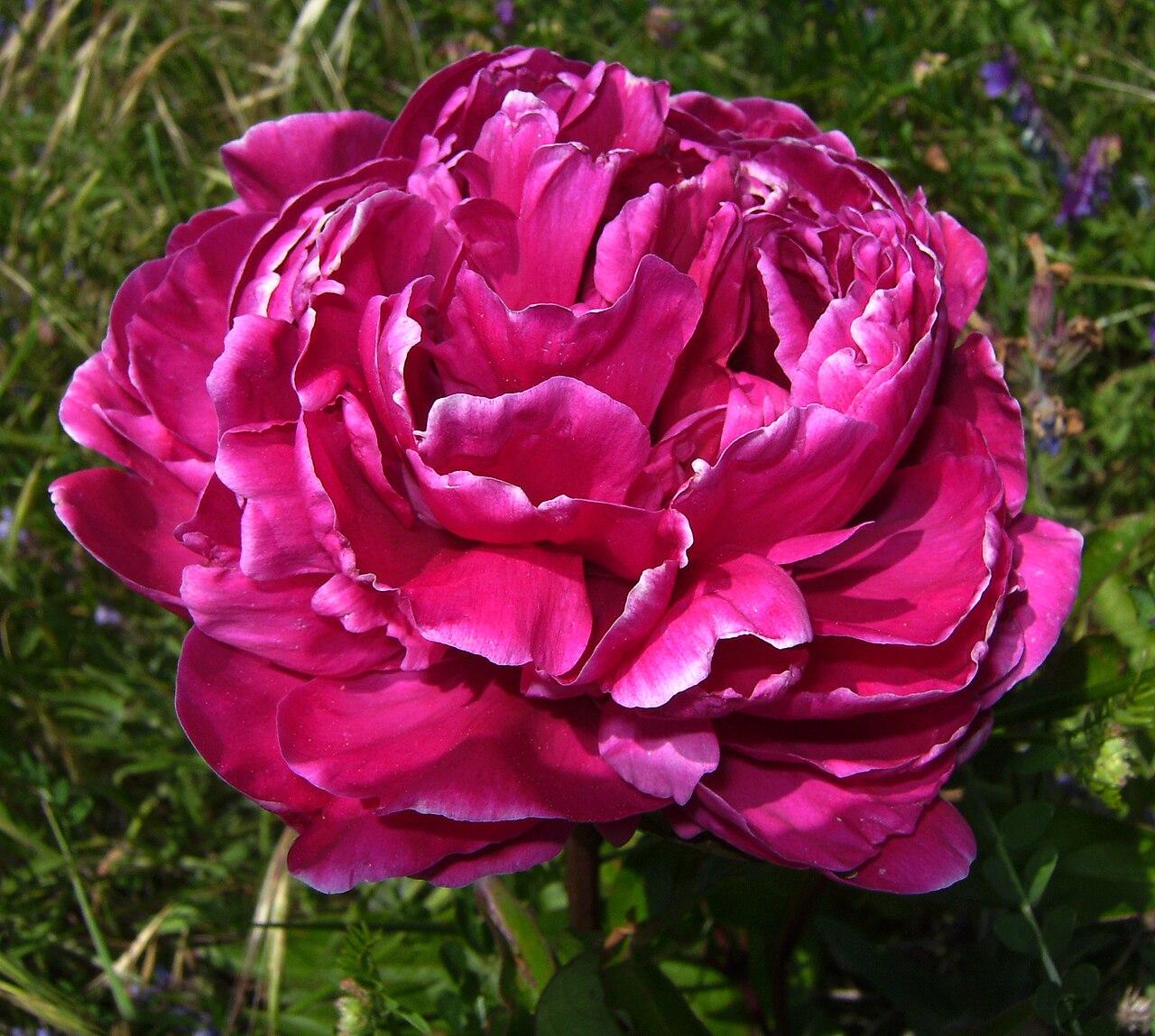
The Chinese peony (Paeonia lactiflora) is a long-lived herbaceous perennial grown for its large, often fragrant flowers in late spring. Native to Siberia, northern China and Mongolia, it forms a bushy clump of divided green leaves topped by single, semi-double or fully double blooms in white, pink or deep red. Few perennials match its presence in a spring border.
Peonies need winter cold to bloom well and dislike being moved, so choose their place with care. Plant the buds, or eyes, no deeper than about five centimetres, because deep planting is the classic cause of blind, flowerless clumps. Once settled, the same plant can flower for decades with almost no attention.
Give it sun, deep fertile soil and steady moisture in spring, with support for heavy double varieties before the buds open. Cut stems down in autumn and clear the foliage to reduce disease. Patience is part of the deal: new divisions often take two or three years to bloom properly.
Did you know?A well-planted peony can flower in the same spot for decades, often outliving the gardener who planted it.
Care
- Watering
- Water regularly in spring while buds swell and in dry spells, soaking the soil deeply. Avoid wetting the foliage and reduce watering once leaves die back in autumn.
- Light
- It flowers best in full sun or very light shade, with at least five hours of direct light. Deep shade gives leaves but almost no blooms.
- Temperature
- It grows best between 15 °C and 24 °C and needs cold winters, ideally below 7 °C for several weeks, to flower well. Mulch the crown in autumn in areas with bare, severe frosts.
- Soil
- It wants deep, fertile, well-drained soil rich in organic matter. Loosen compacted ground thoroughly, since fleshy roots need room to spread.
- Fertilizer
- Feed lightly in early spring with compost or a low-nitrogen fertilizer. Too much nitrogen gives soft stems and fewer flowers.
- Pruning
- Cut stems back after the foliage yellows in autumn and remove spent flower heads after blooming. Never dig up or move established clumps unless strictly necessary.
- Propagation
- Divide large clumps in early autumn, keeping several buds on each division and replanting at the same depth. Plants grown from seed take several years to flower.
Is Chinese peony toxic to cats and dogs?
The ASPCA doesn't list this species. If your pet has chewed it and seems unwell, call your vet.
Common problems
- Botrytis (grey mould)
- Fungal or bacterial leaf spots
- Root rot
- Overwatering
Frequently asked questions
Why does my peony not flower?
The classic causes are planting too deep, too little winter cold or a recent move. Check that the buds sit less than five centimetres below the surface and give the plant sun. New divisions often need two or three years before blooming.
How often should I water peonies?
Water deeply in spring while stems grow and buds swell, about once a week if it does not rain. Keep water at the base and off the leaves to limit grey mould. Once foliage dies back in autumn, stop watering until spring.
What is the grey mould on stems and buds?
It is botrytis, which rots buds and coats stems with grey fuzz in damp weather. Cut out affected parts, clear fallen leaves in autumn and space plants for air flow. Water at soil level rather than overhead.
Why do ants walk over the buds?
Ants visit the sweet sap on peony buds but do not damage the flowers. Leave them alone; they are harmless visitors. The buds will open normally whether ants come or not.
Can I move an old peony?
Avoid it if you can, since established peonies resent disturbance and may skip flowering for years. If you must move it, divide in early autumn and replant shallowly at once. Water well and expect slow recovery.
Growing Chinese peony at home?
Take a photo and we'll tell you how it's doing and what it needs.