
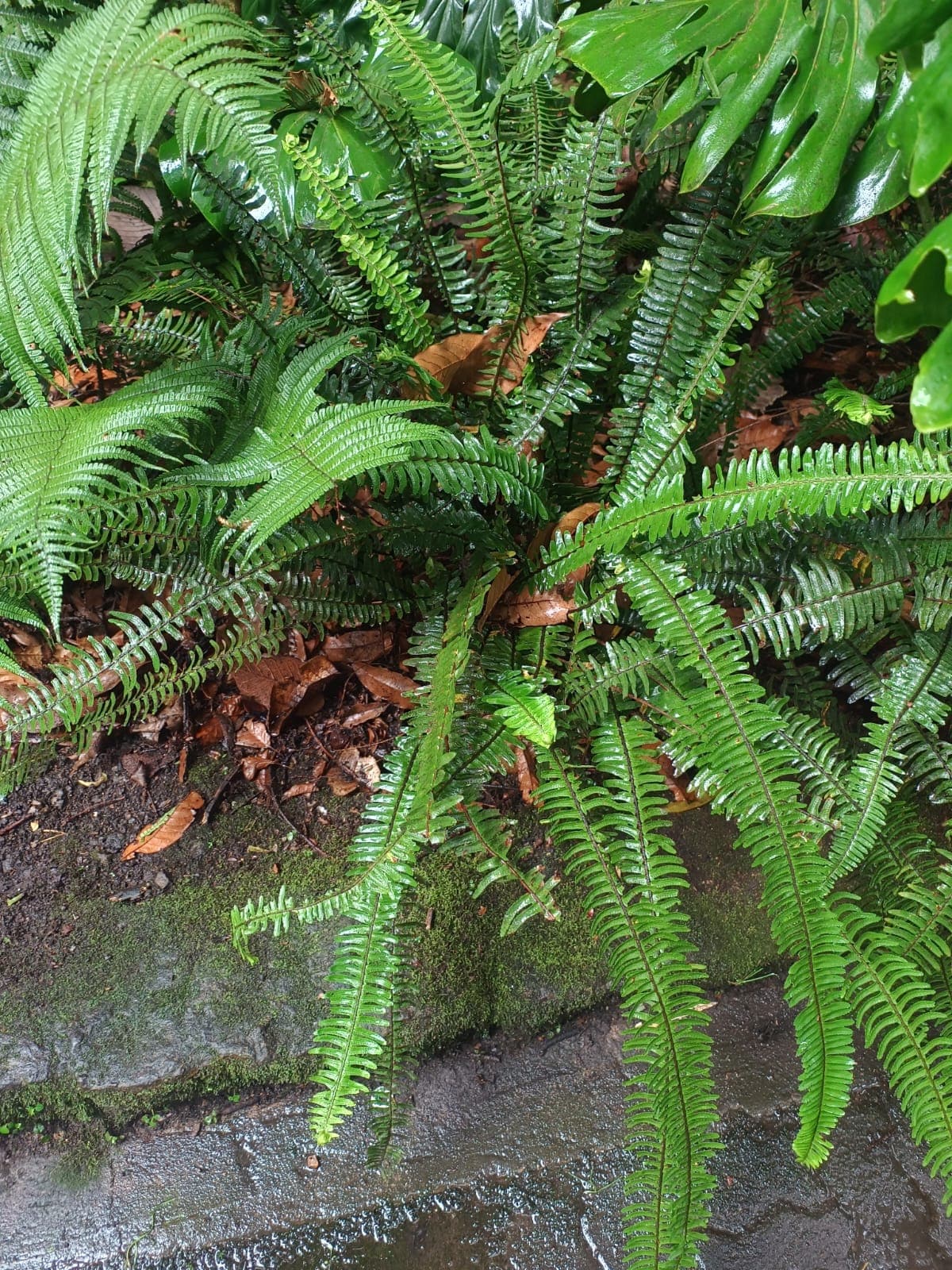
The Boston fern (Nephrolepis exaltata), also known as the sword fern, is one of the most recognizable and beloved houseplant varieties worldwide. Cherished for its graceful arching fronds lined with delicate, bright green pinnae, this fern brings timeless elegance to any indoor space. Its cascading growth habit makes it particularly suited for hanging planters, tall plant stands, and shaded patio corners in warmer climates.
Native to tropical rainforest floors and moist wetlands, this plant naturally thrives under the dappled shade of tree canopies where ambient humidity remains high. Indoors, it replicates this lifestyle best when shielded from direct sunbeams, which will scorch its tender foliage, and protected from drying indoor heating drafts. Providing gentle ambient light and regular moisture ensures that its crown remains full and dense.
While it holds a slight reputation for fussiness, maintaining a healthy specimen comes down to steady moisture management. Avoid letting the root ball dry out completely, but never leave the container sitting in stagnant drainage water. Whenever fronds shed or tips brown, raising the room humidity will usually set your plant back on the right track quickly.
Did you know?Boston ferns surged in popularity during the Victorian era and became a quintessential fixture in parlor rooms across the globe.
Care
- Watering
- Water thoroughly about two to three times per week during warm seasons and cut back slightly in winter. Check that the top inch of soil feels just barely dry before watering again, allowing all excess moisture to drain freely.
- Light
- Provide generous indirect light or filtered shade throughout the day. Avoid direct sunlight, as harsh rays will easily bleach and burn the foliage.
- Temperature
- Maintain room temperatures between 16 °C and 24 °C for steady growth. Keep the plant away from sudden temperature drops below 10 °C and cold drafty windows.
- Soil
- Use an airy, peat-rich potting mix amended with perlite to retain gentle moisture while providing excellent drainage.
- Fertilizer
- Feed once a month throughout spring and summer using a balanced liquid houseplant fertilizer diluted to half strength.
- Pruning
- Trim away discolored or withered fronds at the base using sharp shears to stimulate fresh central growth.
- Propagation
- Propagate by carefully dividing the root mass in spring when repotting the plant. You can also separate small runners or stolons that produce offshoots alongside the main crown.
Is Boston fern toxic to cats and dogs?
No. According to the ASPCA, it is not toxic to cats or dogs.
- Cats
- Non-toxic
- Dogs
- Non-toxic
Source: ASPCA Animal Poison Control
Common problems
- Dry air
- Underwatering
- Overwatering
- Mealybugs and scale
- Root rot
Frequently asked questions
Why are the fronds of my Boston fern drying out and dropping?
Frond drop is most often triggered by dry ambient air or parched potting soil. Increase room humidity using a humidifier or a pebble tray and ensure the root zone stays evenly damp without waterlogging.
Why do the leaf tips turn brown and crispy?
Crispy tips are typically caused by low humidity levels or mineral buildup from hard tap water and overfertilization. Raise environmental humidity and occasionally flush the potting mix with distilled or filtered water.
Can I keep a Boston fern in my bathroom?
Yes, bathrooms are often ideal locations because regular showers provide the high humidity this fern craves. Just verify that the space has a window offering sufficient filtered natural light.
How can I tell if I am overwatering my fern?
Overwatered ferns develop limp, yellowing fronds starting near the center of the crown. If the soil remains soggy and develops a sour smell, inspect the roots immediately for signs of rot.
Growing Boston fern at home?
Take a photo and we'll tell you how it's doing and what it needs.