
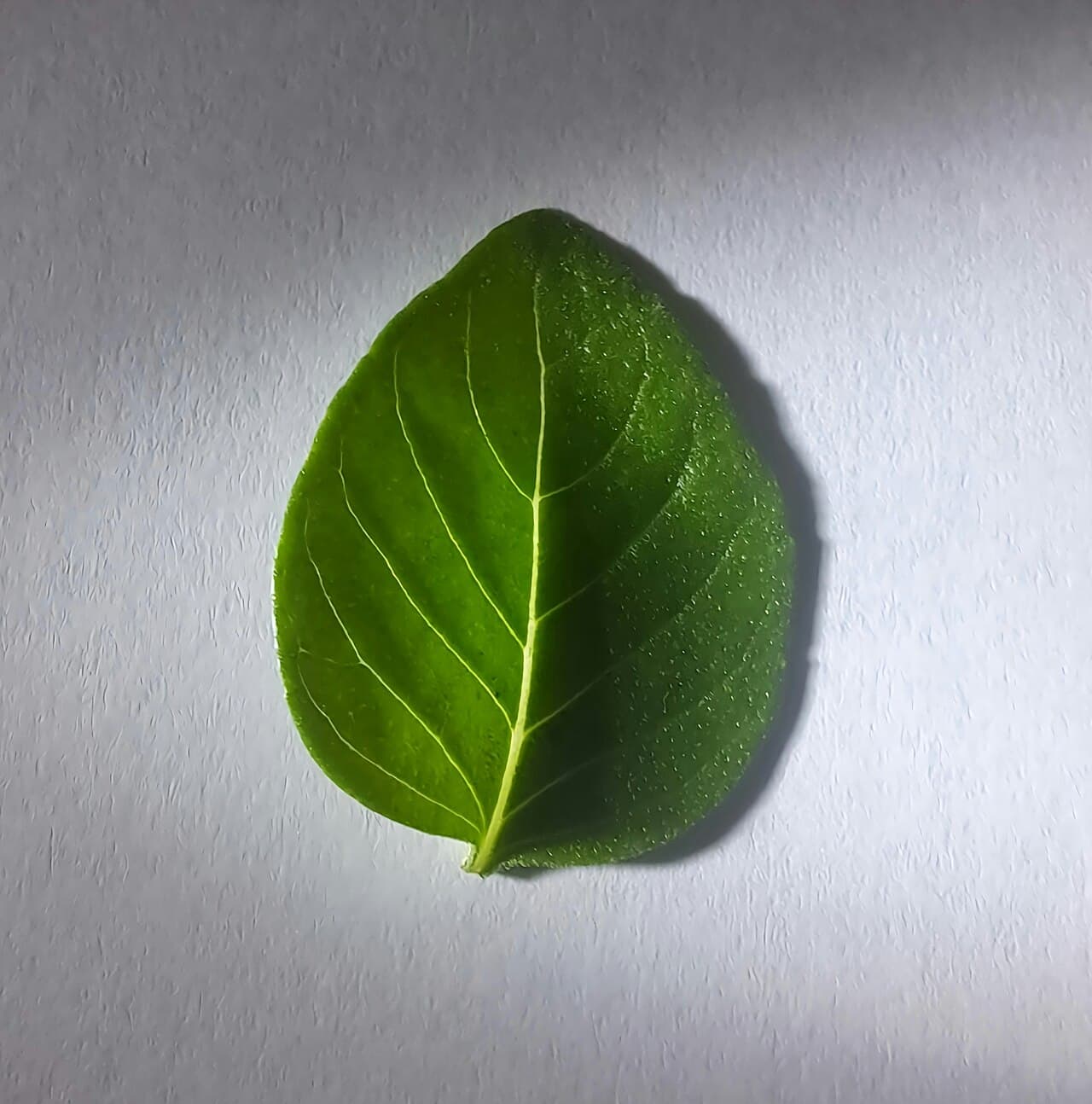
Basil (Ocimum basilicum) is a tender, aromatic herb belonging to the mint family, celebrated worldwide for its essential role in culinary traditions. It features bright green, tender leaves with a smooth or slightly puckered texture that release a sweet, peppery fragrance when crushed. In suitable growing conditions, it forms an upright, bushy mound that typically reaches between 30 and 60 centimeters in height.
Native to warm tropical climates, this sun-loving herb thrives in full sunlight and consistent warmth. While it performs exceptionally well outdoors during the warm summer months, it can also be grown on a bright windowsill that receives plenty of direct sunlight. As summer progresses, it produces small spikes of white or pale purple flowers, which gardeners frequently pinch back to keep the plant vegetative and productive.
Basil thrives with steady, mindful care and demands free-draining soil coupled with regular watering. While its soft foliage wilts noticeably when thirsty, saturated compost quickly leads to root problems. Routine harvesting of stem tips encourages generous branching, ensuring a steady supply of flavorful fresh leaves throughout the growing season.
Did you know?The botanical name comes from the Greek word basileus, meaning king, which led to basil being revered historically as a noble, royal herb.
Care
- Watering
- Water thoroughly whenever the top inch of soil feels dry, keeping the root zone consistently moist but never waterlogged. Outdoor potted plants may need daily water during midsummer heat, whereas indoor plants require less frequent watering.
- Light
- Provide at least six to eight hours of direct sunlight each day for optimal growth and leaf flavor. In exceptionally scorching climates, offer light afternoon shade to prevent foliage wilting.
- Temperature
- Basil thrives in warm temperatures between 18 °C and 26 °C. It is extremely sensitive to cold and should be protected when temperatures drop below 10 °C, as frost is immediately fatal.
- Soil
- Use a rich, well-aerated potting mix that drains quickly while retaining adequate moisture, amended with organic matter or compost.
- Fertilizer
- Feed every two to three weeks through spring and summer with a balanced, diluted organic liquid fertilizer. Avoid heavy synthetic nitrogen feeding, which can dilute the natural essential oils and aroma.
- Pruning
- Pinch off the top growth tips regularly to promote lateral branching and remove flowering spikes immediately to keep the leaves tender and sweet.
- Propagation
- Sow seeds indoors in early spring in warm, damp seedling mix for easy germination within a week. You can also root stem cuttings in water, where fresh roots emerge within seven to ten days.
Is Basil toxic to cats and dogs?
No. According to the ASPCA, it is not toxic to cats or dogs.
- Cats
- Non-toxic
- Dogs
- Non-toxic
Source: ASPCA Animal Poison Control
Common problems
- Downy mildew
- Root rot
- Underwatering
- Cold damage
- Aphids
Frequently asked questions
Why is my basil suddenly wilting?
Basil has tender foliage that wilts dramatically at the first sign of dry soil, though it usually recovers quickly after a deep watering. However, persistent wilting combined with wet soil points to root rot caused by poor drainage.
Should I cut off the flowers on my basil plant?
Yes, you should pinch off flower buds as soon as they appear. Allowing the plant to flower signals the end of its life cycle and makes the remaining leaves turn tough and bitter.
Why are the lower leaves on my basil turning yellow?
Yellowing lower leaves typically stem from overwatering, poor container drainage, or a lack of sufficient sunlight. Check the moisture level in the soil and ensure the pot receives several hours of direct light each day.
Can basil survive through the winter?
Because basil is grown as an annual in temperate climates and cannot tolerate frost, it dies outdoors as temperatures fall in autumn. You can pot it up and bring it indoors to a sunny window, though natural decline is expected as light levels drop.
Growing Basil at home?
Take a photo and we'll tell you how it's doing and what it needs.